Landscape Maintenance Strategies That Keep Properties Looking Professional
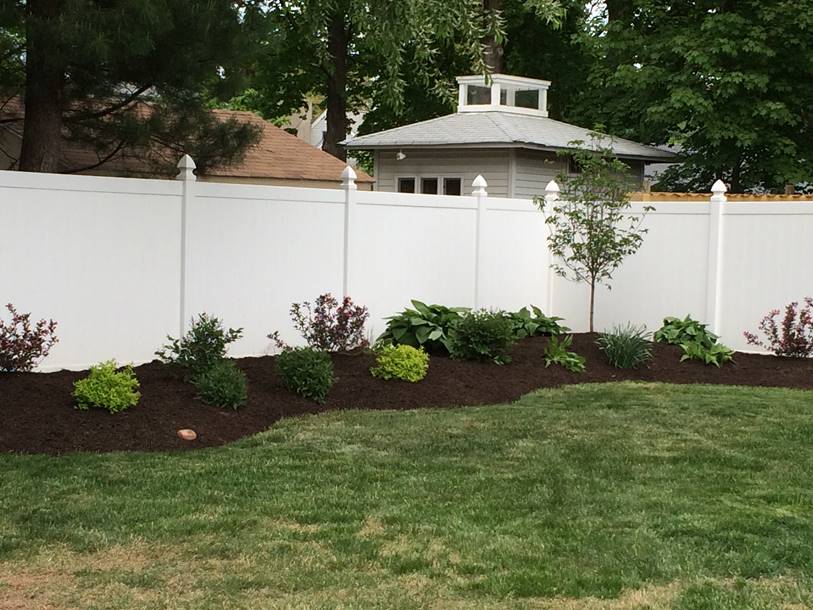
A well-kept landscape does more than frame a building. It shapes first impressions, influences perceived value, and quietly signals how a property is managed. On commercial sites, that can affect tenant satisfaction, customer confidence, and even lease renewals. On residential estates, it influences curb appeal and long-term property value. In either setting, professional-looking grounds are rarely the product of occasional attention. They come from consistent Landscape Maintenance, careful timing, and a willingness to respond to changing conditions before they become visible problems.
Anyone who has managed outdoor spaces for a few seasons learns the same lesson quickly: the difference between acceptable and polished is usually found in the details. Crisp bed lines, turf that is healthy rather than merely green, pruned shrubs that still look natural, and irrigation that supports growth without waste all matter. None of those results happen by accident. They come from systems.
Professional appearance starts with standards, not chores
Many properties fall into a reactive pattern. Grass gets cut when it looks tall. Shrubs get trimmed when they block a walkway. Weeds are treated once someone complains. That approach keeps a site from looking neglected, but it rarely keeps it looking truly professional.
The better model is to define what "professional" means for the property and maintain to that standard. A medical office park, for example, may need a cleaner, more formal appearance than an apartment community with large open lawns and mature shade trees. A retail center often benefits from strong sightlines, tidy entrances, and seasonal color near storefronts, while an industrial site may prioritize durability, drainage, and unobstructed access. The maintenance plan should reflect those priorities.
That sounds obvious, but it is where many budgets drift off course. Crews can spend hours working hard in the wrong places. I have seen properties where ornamental grasses were meticulously groomed while the main entrance had thinning turf and scattered litter. Visitors notice arrival points first. The landscape strategy should do the same.
Turf care is often the most visible indicator
Nothing makes a property look unmanaged faster than weak turf. Bare patches, scalping, weeds, rutting, and inconsistent color are visible from the street. Turf also tends to consume a large share of labor and water, so poor decisions there have a way of multiplying costs.
Mowing height is one of the simplest and most overlooked tools in Landscape Maintenance. Turf cut too short may look neat for a day, then turn stressed, sparse, and weed-prone. In many climates, maintaining a slightly higher mowing height improves root depth, moisture retention, and overall resilience. That can reduce the need for irrigation and help lawns recover more quickly after heat or heavy foot traffic. It also gives the site a fuller, more uniform look.
Frequency matters just as much. A weekly mowing schedule may work during steady growth, then become excessive in slow periods or insufficient during flushes of spring growth. The right cadence depends on species, weather, and fertility. Good crews adjust. Great crews notice when the mower should not be on the lawn at all because the soil is too wet and wheel marks will do more harm than skipping a visit.
Edging also deserves more respect than it gets. Sharp transitions along walks, curbs, and bed lines create a finished appearance that people register instantly, even if they cannot explain why the property looks better. A site with average turf can still look cared for when edges are clean. A site with premium turf can look sloppy if edges are fuzzy and overgrown.
Beds and plantings need restraint as much as attention
Planting beds are where maintenance quality becomes easy to judge up close. Weeds, exposed irrigation parts, drifting mulch, and overgrown shrubs all send the same message: no one is paying attention. Yet bed maintenance is not about making everything tight and clipped. The goal is order without forcing plants into unnatural shapes.
Mulch is a good example. Applied correctly, it moderates soil temperature, reduces weed pressure, and gives beds a consistent appearance. Applied too thickly, especially around tree trunks and shrub crowns, it traps moisture where it should not and can contribute to decline. A modest, even layer usually performs better than the dramatic volcanoes that show up on poorly supervised sites. Those piles may look substantial on installation day, but they often signal a crew that values instant visual impact over plant health.
Pruning requires similar judgment. Shrubs should be pruned according to species, function, and growth habit. Formal hedges need different treatment than natural screening plants. Flowering shrubs can lose an entire season of bloom if cut at the wrong time. Trees near signs, lights, and walkways should be elevated thoughtfully, not stripped into awkward forms. The objective is to improve structure, clearance, and appearance while preserving the character of the plant.
On one office campus I worked with, the maintenance routine included shearing nearly every shrub on the property three times per year. It kept labor predictable, but the landscape looked increasingly rigid and tired. Several shrubs developed dense outer shells and bare interiors. Once the pruning plan shifted to selective thinning for the right species and lighter shape control where needed, the site began to look more expensive even though the plant palette had not changed. Better judgment improved the result more than extra spending would have.
Irrigation management separates healthy sites from expensive ones
Irrigation problems often stay hidden until they become obvious. By then, the damage is usually costly. A leaking head may waste water for weeks before anyone notices the oversaturated patch. A blocked nozzle may quietly stress a foundation bed until plants decline. A controller left on a fixed schedule through seasonal weather swings can create both waste and plant stress in the same month.
Professional properties benefit from routine irrigation audits, not just repairs after something breaks. Coverage should be reviewed zone by zone. Heads need to be aligned, pressure issues identified, and schedules adjusted for weather, soil type, exposure, and plant maturity. New plantings need one approach. Established turf needs another. Shaded north-facing areas rarely need the same runtime as reflective heat islands near pavement.
Watering deeply and appropriately is more effective than frequent shallow applications in most situations, but there are always exceptions. Seed establishment, annual color, and certain container plantings have different needs. That is where experienced oversight matters. Irrigation should support the landscape design, not fight it.
There is also a strong visual component. Overwatered turf often looks softer and greener at first, which tempts some managers to assume more water is better. Then disease pressure rises, roots stay shallow, mower rutting appears, and suddenly the site looks worse despite higher utility bills. Balanced irrigation produces a steadier, more professional appearance over the full season.
Seasonal timing matters more than many people expect
Maintenance quality is not only about what gets done. It is about when it gets done. A property can have the right tasks on paper and still look mediocre if the timing is off by a few weeks.
Spring tends to expose everything deferred over winter. Broken branches, salt damage, compacted turf, clogged drains, and mulch displacement all become visible at once. Teams that move quickly in spring usually spend the rest of the year in better control. Fall, on the other hand, is when durable improvements are often made. Cooler temperatures and more reliable moisture support root development, making it a strong season for renovation, overseeding, and many types of planting work.
The most reliable seasonal priorities usually look like this:
- Spring, clean up winter damage, redefine bed edges, inspect irrigation, and address turf recovery before growth surges.
- Early summer, stabilize mowing, monitor weeds and disease pressure, and fine-tune water use as temperatures rise.
- Late summer, protect stressed areas, avoid unnecessary pruning, and plan renovations for the first break in heat.
- Fall, repair turf, refresh beds, handle structural pruning where appropriate, and prepare drainage and leaf management.
- Winter, inspect hardscape impacts, review plant losses, schedule improvements, and service equipment for the next cycle.
These priorities sound simple, but they matter because each season creates a short window when certain work delivers outsized value. Miss that window, and crews spend the next two months compensating.
The cleanest-looking properties manage weeds before they spread
Weed control is part horticulture, part timing, and part presentation. A few weeds scattered through a perimeter area may not seem urgent, but around an entrance sign or front walk they quickly make a property appear careless. Because weeds emerge in waves, professional sites rarely rely on one treatment or one pass.
Healthy turf and dense plantings reduce weed pressure naturally. So does mulch applied properly and maintained at a reasonable depth. Beyond that, the best programs combine monitoring with timely intervention. A small flush of weeds is far cheaper to handle than a mature infestation that has already seeded. It also limits the visual disruption that comes when crews must spend hours reclaiming a bed that should never have reached that condition.
Chemical control, where permitted and appropriate, should be targeted and measured. Blanket treatments often solve the immediate problem while creating others, especially near sensitive ornamentals, tree roots, or waterways. Hand removal has its place too, particularly in high-visibility spaces. The most professional landscapes do not treat every square foot the same way. They apply higher precision where the public eye is closest.
Drainage and soil conditions are part of appearance, not just infrastructure
Landscape maintenance plans sometimes focus so heavily on visible plant care that they ignore the conditions beneath it. Yet poor drainage and compacted soil eventually show up on the surface. Turf thins. Puddles persist. Bed plants stagnate. Mulch floats into sidewalks after a storm. Those are not simply maintenance lapses. They are often signs of a site condition that needs correction.
Compaction is common near entrances, around shortcuts where foot traffic cuts across lawns, and in areas where repeated equipment movement has compressed the soil. Aeration can help turf recover, but some sites also need circulation control, path reinforcement, or a different landscape use pattern. If people repeatedly walk through the same area, the landscape plan should acknowledge that reality. Sometimes the professional decision is not to keep repairing the grass. It is to install a path, widen a walk, or shift planting beds so the property works the way people actually use it.
Drainage deserves the same honesty. If a low area stays wet after every storm, no amount of fertilizer will fix the appearance. Grading adjustments, swales, drainage inlets, or plant material suited to moist conditions may be the smarter solution. A polished landscape often depends on solving practical site problems that have little to do with aesthetics at first glance.
Entrances, corners, and sightlines deserve disproportionate attention
Not every part of a property carries equal visual weight. The main entrance, monument signage, leasing office frontage, pedestrian connections, and parking lot corners near building entries tend to shape most impressions. Those areas should receive more frequent review and faster corrective action than low-visibility back edges.
This is not about neglecting secondary areas. It is about recognizing that landscape maintenance works best when labor is prioritized. A property with limited resources can still look professional if the most visible spaces are consistently sharp and the secondary zones are managed with sensible restraint. The opposite is also true. A site may spend heavily overall and still look underperforming if arrival zones are weak.
One property manager I knew walked every site from the public sidewalk before approving monthly work reports. That habit changed contractor behavior almost immediately. Crews began to see the property the way visitors saw it. Dead annuals by the front door got replaced faster. Debris trapped in low shrubs near parking lot islands stopped being missed. The route to the building received the same scrutiny as the building itself.
Equipment, crew habits, and quality control matter more than brochures
A maintenance contract can list all the right services and still deliver poor results. Execution depends on the crew in the field. Dull mower blades tear turf and leave a gray cast after cutting. Trimmers used carelessly scar tree trunks. Blowers can save time, but they can also scatter mulch into lawns and create a perpetually messy edge if crews rush.
Quality control is often built from small habits. Crews that stop to upright a leaning sign stake, reset a displaced irrigation head, or remove a handful of litter before leaving usually maintain better sites overall. They are noticing the property, not just completing tasks. Supervisors who inspect after service and correct issues early prevent standards from slipping gradually over the season.
There are a few warning signs that a property is drifting away from a professional standard:
- Bed edges soften and disappear.
- Shrubs develop hard outer shells from repeated shearing.
- Turf color becomes inconsistent within the same irrigation zone.
- Weeds appear first in high-visibility areas and remain for more than a week or two.
- Debris collects in corners, drains, or shrub masses after every routine visit.
When those signs appear together, the problem is usually systemic. The scope may be wrong, the visit time too short, or field supervision too thin.
Seasonal color can elevate a site, but only when the basics are right
Many owners like the visual lift that annual flowers and decorative containers provide. Used well, they can make a property look active, welcoming, and premium. Used poorly, they highlight neglect. Sparse flowers in dry soil at the entrance do more harm than a simple bed of healthy perennials would.
Seasonal color should be scaled to what the maintenance team can support. That includes watering, deadheading, replacement, and soil preparation between rotations. Small, concentrated displays often work better than broad plantings scattered across the site. A few strong statements near entrances and gathering areas create more impact than trying to stretch color everywhere.
The same principle applies to enhancements in general. Decorative stone, specimen trees, upgraded lighting, or new planters can improve perception, but only if the maintenance base is reliable. Professional landscapes are usually built from fundamentals first, accents second.
Budget discipline is easier when the property is observed closely
One of the most expensive ways to manage a landscape is to let it swing between under-maintenance and rescue work. Deferred pruning becomes major corrective pruning. Weak turf becomes renovation. Irrigation neglect becomes plant replacement. These costs are not always dramatic in a single month, but over a year or two they can exceed the cost of steady care.
The properties that hold their appearance best are often the ones where someone, either an engaged manager or a strong contractor account lead, notices subtle changes early. A thinning area in turf after a weekend event. A shrub bed that is drying faster than normal because a valve is failing. A tree stake that should have been removed months ago. Those observations https://finnffzn098.novacrestiq.com/posts/landscape-maintenance-basics-for-a-tidy-and-inviting-landscape-2 are where efficient Landscape Maintenance begins.
Documentation helps, but only if it supports action. Site photos taken from the same vantage points each month can reveal gradual decline or improvement that is easy to miss day to day. Simple notes after walkthroughs often do more good than lengthy reports no one reads. The goal is to make decisions while problems are still small.
The best landscapes look calm because the work behind them is disciplined
A professional landscape has a composed quality. Plants fit their spaces. Turf looks dense and even. Walks are clear. Lines are crisp. Nothing appears forced, overgrown, or forgotten. That calm appearance is not created by constant heavy intervention. It comes from rhythm, timing, and practical judgment.
Good maintenance teams understand how a property behaves through weather swings, traffic patterns, and seasonal growth. They know which corner dries first, which bed catches litter, which turf area struggles after heat, and which shrubs should be left mostly natural. They also know when not to do something, not to prune during stress, not to mow saturated turf, not to replace plants before checking irrigation, not to throw labor at an area that really needs a design correction.
That level of care is what keeps a property looking professional over time. It is less about dramatic upgrades than consistent standards carried out with discipline. When Landscape Maintenance is treated as an ongoing management strategy rather than a set of chores, the result shows in every approach, every season, and every small detail people notice without quite realizing why.
Majestic Mowing & Landscaping LLC
Phone number: +19733975532
FAQ About Landscape Maintenance
What is landscape maintenance?
Landscape maintenance is the ongoing care, cleaning, and upkeep of outdoor green spaces to keep them healthy, safe, and attractive.
Is $100 an hour too much for landscape work?
An hourly rate of $100 is not too much for specialized or professional landscape work, though it sits at the higher end of the standard pricing spectrum.
How much do landscapers charge for maintenance?
For professional landscaping maintenance, homeowners typically pay $100 to $410 per month for recurring services, or an hourly labor rate of $50 to $100 per hour per crew member.